THE HER PODCAST · APRIL 1, 2024
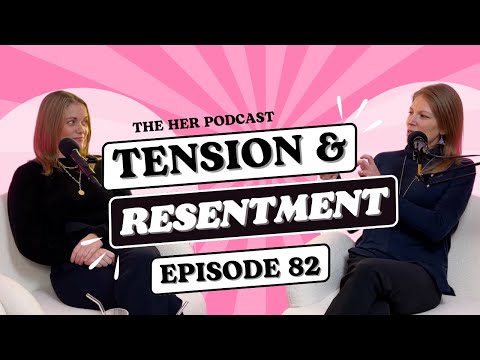
#82 - Lisa Greig & Adrianne Vangool on removing expectations and stress from your life. — Transcript
Full Timestamped Transcript
and I think a lot of it too is it's not necessarily you know us versus them type thing but being aware of the things that we carry that we don't know we've chosen to carry and I think a lot of it is becoming aware of what are all the things the little mental checklist the the way that we just navigate setting the emotional tone of a room you know that has a load yes and what if we stop caring for that and allow others to take responsibility this episode is sponsored by Ashley breelan the boundary therapist and breelan counseling I'm Erica and I'm CJ and you're listening to the her podcast we're excited about today's episode because we've got Adrien van goul and Lisa Greg joining us Adrien is an author licensed physical therapist and certified yoga therapist who focuses on making yoga and physiotherapy accessible to everyone and Lisa a social worker educator and true speaker today we're
diving into a topic that affects us all the mother load which spoiler alert isn't just for moms the mother load is about those demanding roles we find ourselves in whether at home or in the workplace it's the endless juggling Act and the constant feeling of not doing enough in today's conversation with Adrien and Lisa we explore this Collective exhaustion and share practical tips to decrease our stress levels we impact the demands we place on ourselves learn how to identify them and most importantly create space for doing less instead of piling on more we dive into vulnerable moments and address a topic that affects us all we think you're really going to love this episode so let's get into [Music] it last year at lunchtime I called him I was like hey how's it going he's like good I'm like so um visectomy are reversible right he was like
oh work bless your heart I do and I waited like two years for the we waited like two years for the V me and I was like no we're done we're done and now I'm like I know and you know what someone said to me they were like part of it is when your kids get out of that like squishy baby face it's almost like do you want another one or do you miss when your kids were young yeah yeah and I for me it's a combination cuz I I always thought I'd have more than two but anyway my husband's old so don't do it are we recording yeah but don't worry don't worry this just the warm up yes yes so today thect Eric and I were chatting about the mother load and we were like number one the first thing that comes to mind is like a spaceship oh the that's why mother and so we're super curious a what is the mother Lo and also for me like when I hear the mother I'm like okay
it's just for mothers and so who is the mother Lo for and what is it do you want me to jump in right now yeah okay it's like first of all what isn't it um when you think about the mother load and it is like everything we carry in our minds and it's Glenn and Doyle who used the analogy of that CNN 24/7 ticker that just goes non-stop in our brains um and CJ I love what you ask because it's it's not about being a mother and carrying a you know a child or nurturing a child it's about like the roles that you are mothering and you know we also talk at length about like mothering in the workplace and our role as women and the things um that it's Aaron Gallagher on LinkedIn is amazing but it's like the things that become the she fault right in everything that we do and so we can touch on all of those things so the motherload is just simply what we carry and what we do simply because you know at least for myself
identifying as a woman and that can again range from organizing our kids schedules to the birthday list in the office staff room that is often offloaded to us the Shea just simply being so many things are just automatically placed onto women because of I you know that nurturing role that we play and so we carry these huge loads sometimes like you know without our informed consent I'll say because I know that we're consenting to a lot of the different things that we do but we're just doing them because that's how it's always been done and it is really difficult to go against that grain and to challenge that because I mean then we become difficult aggressive insert any other lovely adjective well it's pretty convenient right and people get used to it being a certain way so it's incon venient when that starts to shift M when you know like and I think a lot of it
too is it's not necessarily you know us versus them type thing but being aware of the things that we carry that we don't know we've chosen to carry and I think a lot of it is becoming aware of what are all the things the little mental checklists the the way that we just navigate setting the emotional tone of a room you know that has a load yes and what if we stop ing for that and allow others to take responsibility for the way they're showing up in a room and for me that was a big part of it was like noticing all the ways that I smooth the edges well like set the temperature almost you know like walk in and be like okay this this room's a little chilly like I'll take on the responsibility of like turning up the temperature yeah and that wouldn't it be nice and I didn't know I was doing it but wouldn't and it wasn't other people's fault but wouldn't it be nice to not have to do that not carry that load not carry that load exactly and so but
also it also creates um an enabling thing too so I think well this this happens in relationships whether we know it or not how are we showing up what things are we carrying then it also comes into when I think of the motherload I think I texted this to you one day Matt and I and the kids were at an event and we were doing a walk it was a big day and uh we went on the Walk for reconciliation and the kids were in the PO and it was just a full full day and I tracked 3,000 more steps than he did and we were doing the same exact thing and so there's also an objective way to measure it cuz you know I like science but and it's not something against him but it was all the little ways that I did the checkpoints that he didn't ask me to do but I just did and it add it accumulates physically but then also emotionally so how do we even begin to almost like unpack that you know cuz I'm like obviously you've given some really tangible examples but I'm like how do we identify where we're carrying this
mother load in our lives you know and then how do we begin to be like like to show up different you know and to not enable or be like you know walk through the mental process of like do I want to carry this load do I want to take this on do I want this to look different like what does all that look like for me it's it starts with us and this is part of um that self-care piece as well but taking responsibility for the way that we are and the way that we exist and not blaming another and it's exploring ourselves and if we can't sense into what feels okay or not okay or sense when we're feeling overwhelmed then it's hard to communicate to others what you're going to step away from or step into and I think it it can be a communication it can be done in a thoughtful and intentional way rather than I'm not doing this anymore yes you know cuz that's from a place of overwhelm reaction and so to me it's it's so tied into um our connection to
ourselves and then it's individual every person is different and and how we communicate with that with others and pass that transition off I think is really important too yeah it's that you know checking in before checking within and I think we're so guilty of like checking within and going back to like making sure okay the temperature in the room is that everything is good um I know you know you was talking with Dr jod Carrington it's like making sure every person's l is on meanwhile like ours is not but like you know we're doing what we can to make it appear that way is everyone happy are we happy are we happy um but it it is it's like checking in and just like acknowledgement as we know is the first step to anything so just like acknowledging that there's so many things at play there is a system that were still existing and that was designed for 1950 households that were heterosexual couples that typically I mean almost always the woman was working at home so worked from home full-time and we're still like many of our larger organizations are still operating that
way and so tell me how as women and mothers we're supposed to thrive when we're battling a system that is just not designed for the world that we're currently living in either and I think that that's when you know we talk about the motherload being no it's it's about like nurturing and mothering by no means is this for the listener going oh but I'm I'm childless or I don't have this I don't relate it's like then we got to talk about all the other ways that you're mothering people cuz I can guarantee which go into that go off what are some other ways oh my God like again so like just going into the office like what are you doing to keep your office regulated who are you working for are you someone's Handler in your workplace more often than not when you think about that executive in the office who's constantly like losing their crap what do you do to like set the temperature before a meeting how are you communicating things that maybe aren't even yours to communicate are you the one saying oh maybe we should have an agenda I think it would be better if people knew what they were coming into do we want water do we have beverages
who's ordering the meals to come in oh I know a great team building activity potluck oh who makes all the food for potlucks birthdays remembering the birthdays of everybody like all of those unpaid oh rolls that are the glue for a workplace culture I would say majority of the glue comes from a maternal energy whatever that is you know and it can be in men too but it's are we in Choice there I often wonder and are we even aware we're doing that at work right and and are we just kind of towing a line that we think we have to and Adrian I love he said like are we in Choice there because I that's where we go back to the system that's at play and that's where I don't ever want to be in this like oh choose happiness are you kidding me there's system and environments and it's not that easy and so there are going to be spaces in your life where you just don't get to choose a different option um and that's where it's like no this is
for the higher level Executives when we're talking workplace this is for those who are making decisions to start making inclusive decisions and all this you know we need to actively move towards better Dei work but are we also talking about like diversity equity and inclusion you know are we also including our women and our mothers in those conversations too and and what that looks like and yeah like it's just it shows up it's it's a horrible game of wack-a-mole of just like what's next what's next what's next it's hard I'm interested in how because you spoke and said that a lot of times we're not aware of it so I'm interested if you can share in your own lives cuz obviously you're speaking about this now so I'm like I feel like there's been some self-reflection along the world so I'm wondering be able to give us some examples of maybe what it looked like maybe before you recognize this in your own life and maybe some of the ways that you found this happening that surprised you oh my gosh um I can speak to it on a
couple of levels um from a personal level it was just me getting to a point where I was tired a a lot and I wasn't feeling the spark and so it set me on me like a many years of exploring what is that and coming to the decision and and through therapy and a lot of support and that uh recognizing my role in it and um just even in small ways so at home for instance recognizing where am I getting feeling tension and resentment usually that's a really good sign that it's something that I don't want to carry anymore I need to communicate about and I would just be resentful wear the Martyr hat and do it instead of actually going okay well if I communicate that because I have a really great partner who wants to support me I'm fortunate that way so for me it was simple things
of communicating that like in the morning I don't love lunches I don't like making them it doesn't light me up I'm not one of those moms who writes notes to my kids I mean if you do awesome it is not light me up and it was starting my day off in a bad way and there's other places in the morning that I can be really helpful with and my husband loves making lunches he likes food he likes to get the groceries so I'm like you're already getting the groceries you so that was one thing I just communicated we shifted our morning routine Bliss I wake up I have my electrolytes and my coffee and I feel good and then at work as an employer uh this is still something I'm working with um figuring out and trying to navigate become aware of where I'm stepping in and taking on things I don't need to be cuz I'm trying to be helpful hello that's me yes and so it's still ongoing for me with that but working with that pattern for me cuz I'm a helper I like to just do and so for me it's my thing
for this year is not doing and more being and creating space just for the sake of space which is hard that's my Rambo no that's so good I'm like my shoulders just Dro like listening I know I know spend more time with Adrien that's my life motto so that's what I do I just spend more time with Adrian [Music] um hey guys it's TJ you know how finding the right therapist can feel as daunting as finding a life partner well if you've listened to episode number 65 or 35 then you've heard us chat with Ashley Breeland the boundary therapist before I go any further if you haven't caught those episodes yet they're a must listen for insights on setting effective boundaries make sure you go check them out Ashley's not just a podcast guest she is the founder of Breeland counseling and support her team offers a compassionate inclusive space for everyone especially those dealing with people pleasing overwhelmed by life or
just seeking to learn more about mental health and boundaries breeling counseling stands out as a fat positive body inclusive and anti-et practice focusing on body neutrality to encourage mindful awareness they can work with anyone living in Saskatchewan and offer in-person or virtual session offering 15minute free consultations to ensure you can find the best fit for your needs they offer everything from couples and relationship counseling to support for postpartum and perinatal loss they work with youth that are over 13 the team at Breeland counseling is dedicated to meeting you where you are with care and respect don't miss the chance to feel seen heard and understood find breeling counseling and support on Instagram @ breand counseling that's b r l a n d counseling and online at Breeland
counseling.com on Instagram everything's Linked In the show notes for you [Music] friends I know and I love what you said like resent is such an indicator I think we talk about resent in such a way that it's like you know we shouldn't be so resentful and you know work on these relationships but it's like that's your indicator that's your check engine light so when you're starting to feel resent it's like okay what am I resentful about and that just means that that's what I want right so if I'm resenting my partner for the time that they're spending doing whatever that's not the problem them taking time to do this is not the problem the problem is is that I want that time and more than how do I get that time shifting that conversation to how do we get me that time because why is it just on me in my family to figure that out that's a family that's that's me and my partner you know we have kids it's not just for me to treat our partner like you know a babysitter and again I say this from a place of
privilege right like I say this that I also have a supportive involved partner and so I don't need to like do all the prep and do all the thing just so I can go and take a moment to myself no I should just be able to say communicate like this is you know what I want to do this is what I need to do you frontload it at the beginning of the week like how can we make this happen we make this happen and and you do it and so using that resent piece for just like that checking in and not shying away from that conflict that happens internally right it's like that bad emotion that we're like o we shouldn't be feeling this no just like lean a bit more you know into where that resent pieces and the other huge game Cher for me that's a big resource is I don't know if you're familiar with the work of EV rodsky M okay so she wrote the book fair play and then another one called in um find your unicorn space which I think both of you would love and there's a Netflix documentary that she is now on for or Netflix or apple has it on Fair Play but it's actually breaking down she spent years studying all of the tasks of a household everything and she's built a
card game kind of like a and I hate even using this reference but like a Cards Against Humanity style um but you know like the box of cards I need to think of a different reference where app to app and like tacos and burritos okay that's what we're going to use and um every task in you know encouraging couples you know if if you're in that kind of relationship to pull up the cards and need division of tasks and her rule though is that if you're doing a division of task you own the rights to that task exclusively so if you're in charge of garbages and I mean we joke about like pink jobs and blue jobs and things like that but if you're in charge of garbages you're not in charge of dragging the garbage out to the curb you're in charge of knowing when is garbage day when do I need to go around to the whole house to empty the garbage to fill up the garbage to drag it out to the curve you own it because when we talk about the mother load we're also the rememberers and we're the reminders and we're the calendar and so we go hey can did you can you take that garbage out to the curb hey can you remember to
do this oh recycling day is tomorrow well that's not really giving us a mental break from carrying that load right right and her work really speaks to how do we divide that and the beautiful thing too is it also gives credit where credits do that tests that we're not even familiar that some people do without saying anything not everyone's me where I'm like look what I did today you know where I'm like I did this um there's a lot of things happening in silence that we're not acknowledging either and it's it's a really great task to really sit down and go okay what are you doing what am I doing laundry is a big one tell me and again it can be different for every household but when you say you do the laundry like what is that is that that you remember to start the laundry cuz uh I always forget to switch it over and I just my thinkness my husband takes on that task right cuz everything would just be moldy in a washing machine probably um but you know if you own the laundry does that mean washer to dryer to folding to putting away right or is the washing like and really dividing that up and having those conversations
and then letting go of your ownership of those tasks and that's a hard part for many of us like you said when we do wear that martyr hat cuz that's what we know what to do letting go of then the responsibility of getting it done on your way and your timeline well how do we practically let go you know because I'm like it's one thing to just like like almost talk about it in like Theory right of like okay we're going to let go and it's like I'm just going to like let it like float off and it's like we're going to or I know myself like I'm going to carry it inside even if I'm not speaking it for a little bit right and so I'm like are there some things that you guys have done in your own life you know to slowly work through being more and letting go of the load I think the Letting Go piece is based on trust and start in small ways with tasks that you'd be okay if the outcome like was terrible yes let's just say that yes yeah and then slowly build
the trust and then that I think will build the capacity for or letting it go but on things that are major things that I wouldn't feel okay with it tanking or there's if I really fully trust and it's been demonstrated that it can be done I'm thinking like in a workplace to just going there in my head then I have no problem letting it go but initially that was hard for me to give up control of tasks and delegating but how you delegate is in itself such a Rel thing and it's built on communication part of it is our own work but then also a lot of it is if you think about what's the fear of letting go it's I'm not sure all the the unknowns right and we're very used to being comfortable and the and and having it an illusion of control and I think the more we can get comfortable with discomfort
as well as a personal practice then it also makes the letting go more easy and I know you've talked about in the past about remaining curious and I think trying to instill that Curiosity when there's tension when there's resentment when I'm noticing I'm having difficulty letting go what why do I need to communicate something else is there something I missed is it or is it just that I need to sit in this discomfort for a little bit and what's that feeling like in my body and I keep coming back to this but that's where that embod ment piece I think is foundational it's going to be performative it's going to be surface level it's not going to stick if it's just coming from here and not felt and that ability to feel at ease comes from feeling not from thinking and so to me it's that that those practices those tools that help us notice sensation and then this becomes our
guidepost to all the different things that we've talked about already yeah no I completely agree I think like embodiment um is so interesting because I think you know sometimes when I even reflect on my own life I'll be like I I know it in my mind but I don't know it in my like heart you know or like my body is sort of how I would represent that and so I think obviously having you here is fantastic both of you but you know speaking to the piece of how we work on that mindbody connection you know would also be very interesting like how are you um cultivating that in your own life yeah well I had experiences that growing up that um to cope with things we I became very disembodied and when we're in the fight ORF flight freeze response we are in survival and that's an important response to help us survive but it's not a response that we can sense in so if we're talking about um you know our sympathetic system which is that go mode that you know in extreme cases it's fight flight or freeze and
the parasympathetic system which is I feel safe um and you're more in that rest digest relaxation you're you can only sense internal sensation through the parasympathetic system so if we are so we're disconnected disconnect if we're not in it yes so when so the that's why it's so important and I want to repeat this again because disembodiment is not your fault it's not something you haven't done right but there are things that you can do to be to come back home to self to feel again and it doesn't have to be all in or all you know we actually want to be able to move in and out of these systems and the survival part of our nervous system is so important and so is the feeling safe and it takes practice and just by if people listeners right now just start with noticing what you sense in terms of the temperature or sense if you're feeling thirsty or if you have to go to the
bathroom even and start to sense what the floor feels like underneath you what the surface of the you know chair or just sensing into really basic Sensations internally externally just the act of noticing sensation if that's happening through your parasympathetic so even if you can't control your breath yet even if you can't you know feel what's right or wrong from your heart if you're sensing into your body you're moving the needle towards more ease and that can be expanded upon and when you notice times where you're really stressed and you can't sense as some people overeat some people forget to drink water because we aren't in the sensations of our body's not communicating what it needs uh when we're in that hypervigilant state so those are just some small table things that you we can build upon I love that I need a drink of water I don't drink water
no but it it's true and and then when you take that like beautiful summary back and you know reflect in yourself when are we even giving ourselves time to find that pause yeah to check in and and just what Adrien very briefly guided us through and I hope whether you're driving that you didn't like close your eyes but it's like um but when are we having the time as we are rushing and I mean this could be aome so me projecting my life but it's like you're getting up you're rushing to before school program so that you can get to work so you can get to the office you're probably already late for that meeting and then you're like rush rush rush rush rush you're skipping your lunch break because oh my gosh you probably have to leave early because hockey ice times are absurd and it's like oh parents don't work full-time it'll be at 3:35 today okay so then you're going and you're rushing and you're getting your kid and you're throwing them in the car and then oh I forgot to pack them in extra lunch cuz I already have to pack them one for the day who loves packing lunches Matt I guess and then right Matt's now going to
do this um and then you're like hitting some drive-thru to like again no shade of drive-thru nourishment is nourishment but then you're like throwing whatever you can at the kids in the back to eat to get to this practice to get home to be like oh my gosh we didn't do our reading we didn't do our school like this is the life and and we were talking about this actually last night but like this is the life we're choosing yes we're registering our children in all of these activities we're doing this and again amazing if this is what everybody wants and this is working for you but is it working for you get curious not judgmental but curious about yourself and why you're doing it don't be getting like curious as to why Karen is doing it poor Karen um or not you know get curious like why are we doing this does this work for our family is this schedule
with soccer basketball there's clubs and it's multiple times a week it doesn't allow for multiple Sports and actually what the evidence says is don't specialize and when we're looking at if you want to bring your kid you want your kid to go to the Olympics or whatever it is NHL the evidence actually shows you early specialize you don't make it there and they did that anyway I won't get into the study but they're finding is kids that early specialize their hips and knees look like that of a end of career professional athlete like physiologically it's not okay not not to mention mental health like it it's what we see in the safe sport when we get told to take that course and then you're signing your kid up for like everything that they say not to do in the course and I'm like is this as a physio yeah as a physio I'm like I don't feel okay with this so yes I think that's and normalize it and like you said if that's right for a family great If the child is self
great but why are we killing ourselves over this and we're yelling get out the door you're eating in the car like is this really good for us are we even asking ourselves the question if it's too much I think if we just start to again get curious but ask is this too much and we talk about you know guilt and it's like I never want to like downplay Mom guilt or you know just the guilt we carry cuz it's real but it's like is it guilt or is it just discomfort right right like are we saying that like oh M but they really want to it's like or do we just have a really hard time saying no to our kids and that little look on their face that I get all the time because I say no so much you know and I try to find great yeses too but like life is also different than it was when I was a child you know it was it's a different world there there wasn't so much specialized activities either well just say it just creates more and more of a gap between
those that can and those that aren't able to do that and who who ends up being the one that takes time off work to facilitate that I often wonder I don't wonder Lisa knows but and maybe not all the time but anyway it's just it leads into all of the things that we're discussing and and for what and at what cost is it actually a choice or is it because so and so is doing it and that Envy piece we talked about in the motherload in the past maybe you can speak to it more but I think that's really important when we're talking about this because that's at the heart of it I think is this comparison when we're outside of ourselves looking for the answer here then maybe this will be the thing maybe this will be the thing and then really what we're doing is it's Envy yeah it is but you can speak more to it then I mean really it's Adam grant that spoke to it the best right when you know forever Berne Brown would always say that you know comparison is the thief of Joy I think that that's
kind of where the research was going and then Adam took it one step further based on even her research saying you know comparison is not the thief of Joy Envy is and I was you know I was scrolling probably Doom scrolling in bed when I'm not supposed to and it just like was the light bulb that's it and like and he spoke to twoo it's like comparison I mean that's so normal and we should want comparison right that's how we like look around and that's where we can set goals or like okay this is this is great but it's the envy that gets us in trouble it's the envy that that forces us to do things outside of our body which like Envy is wanting right correct like what they have not just like observing a comparison but being like Curious no it's like wanting a deep desire to have or take fill something up what are we trying to F that's what it is too I think with the Envy it's like even when we you know shopping all the links and adding to cart as we're scrolling do you need the thing or do you want the life that the person is having is it about the the little vacuum for the drawer
which I always use an example cuz I think I do want one for the Chrome um but you mentioned a few times so I think this might be actually something you need add to it's come up multiple times you know um pull this clip right but like is that or is it the thing something else that I'm seeing and feeling while I'm watching it being used yeah that I'm trying to get and what an empty feeling we're trying to fulfill and so true and how do we just how do we stop being envious like it's not just like a cognitive process like yes you can notice it but I think that comes back to a practice as well a physiological practice because when there was a study done on different types of meditation mindfulness meditation versus a focused meditation it was the mindfulness meditation that actually created the physiological changes MH in reduced you know um heart rate actual inflammatory markers went down because
of the non-judgment piece so mindfulness is coming into the present moment as meditation is but in a non-judgmental way and you can practice that and it actually creates more of a physiological shift so maybe the need to want or feel something would be less MH in that way too I'm wondering as well I think about like for me when you guys were talking I was thinking about like we don't have enough time reflection like reflecting you know like that's something that I'm trying to incorporate into this year is just more time to be like just let me think you know think about be and I guess mindful would be another word that could be synonymous with that you know but it's like I think we just busy ourselves so much we're go go go go go right and it's like we don't just have enough time to reflect to meditate to be mindful to just think about what's going on the choices that we're making say something to just have space for the sake of space and that ties into so much of we talked about with that that over
scheduling we can create the schedule that is also within our power and having space for the sake of space so that you can notice because when my life gets so over scheduled I also get overwhelmed not just the schedule but I'm not have I can't keep pace with the amount of things that I need to be getting in and out and it just gets in in in in and then I don't function well I'm I'm not a good mother friend boss like therapist like I'm just I'm not my whole self when I'm filled up with stuff that I need to get out of me and that's when I for me I start to look at I think that's true for everyone but we're just not all reaching that level of awareness but I don't think you can do that until you really like promise yourself curiosity instead of judgment like really making a promise to yourself
where it's like okay I'm going to take this minute or I'm going to take this pause or I'm going to do this thing and whether it you're writing something out or whatever that looks like and if you've never done it oh my gosh like do work with a therapist because the journey inward is scary if you've never done it and so do the work of just like what's coming up for you the most what are the concerns and now how do you shift that from like rather than even the voice in your head being a statement could we just like have an intonation and make that a question right so instead of like why are you doing this why are you doing this right just like gentle just you know and again that the age-old treat yourself like a a friend but I think there's just different ways that we can Implement those practices where we're just getting curious it it it is about curious and it's not about judgment but we just we go into judgment and like the last thing we need as women and mothers is like more of us also you know shoting all over ourselves and
coming at ourselves you know and so can we just like just get curious can we can we try that practice on knowing that we're also going to screw it up every 100% of the time yeah but you can't get it right until you actually get it wrong a million times first that's okay my I have two lines that I one for my personal life and myself and one that I use at work I didn't realize I did this one at work until the Staff started saying it to me and I was like oh um but there at work I'll say um let's Circle back on that it just where can we create pause between the response like okay that's it's good question okay thanks for that feedback let me Circle back on that because often our initial response is not the best [Music] one question for you guys how do you feel about boundaries are you for them against them do you struggle setting them or even respecting them I won't lie whenever the conversation turns to boundaries I get slightly uncomfortable
and that's because I suck at setting them and I'm even worse at keeping them this has always been a struggle for me and for the longest time I just didn't know how to navigate them that wasn't until we sat down with Ashley Freeland right here on the her podcast if you listen to episode 35 then you heard our ation with Ashley who's known as the boundary therapist and you got to hear all about the impactful work she does with clients around boundary work and you likely learned a lot like I did about how to set boundaries different types of boundaries and the challenges we all face setting and maintaining them if you listen to the episode and want more from Ashley than you're in luck what you may not know is that Ashley founded Breeland counseling and support and along with her team they are expanding the practice taking on new clients and offering incredible services to you so you can find support to care for yourself and your mental health in a safe and inclusive space the team at breand counseling are committed to meeting people where they're at with unwavering care compassion and respect they provide an incredible space designed with you and mind for all
bodies to feel comfortable safe and welcome allowing you to feel supported in sharing and leaving you feeling seen heard and understood Breeland counseling is a fat positive body inclusive and anti-diet practice the team practices from a lens of body neutrality to promote mindful awareness of one's body they work to assist folks to decrease body judgment positive or negative and focus on supporting folks to see themselves beyond their bodies the team offers therapeutic services to Saskatchewan residents in person at the breand counseling offices virtually and over the phone in home and on site you can find breand counseling and support on Instagram at breand counseling that's b r e l a n d c o u n s e l l i n g and online at breand coun in.ca or you can book in online with the team and find the type of session that supports you best we will link all of the information in on our show notes for you to easily [Music] find again you have to start with
carving out the time and and you know we're again when we were talking and just like a couple of simple tweaks that I've even made for that it's like you know we all talk about the bubble bath and that's fine but for me I the other night put my like not my airp like my ear plugs in and had a bath and like tuned out the noise of my home and it was Blissful and again no screen like nothing it was just like oh because I didn't realize it even when I decided to take that time I mean you still have like even if my partner keeps them away from the door where they just suddenly need to come in and like usually like have a bowel movement I'm like whoa whoa W like you know but you're trying to have this like time to yourself and it's like but the noise and I can't just turn it off
oh and so I stopped or just driving and I turned the radio off and I'm like oh this is how I'm decompressing and my shoulders drop and I allow the thoughts to come in that likely need to be worked out to help me transition into like the longest worst hours of the day which are from 5:00 until 7:00 p.m. well and it's like how do we get to know ourselves without spending time with ourselves exactly I think we're so disconnected from ourselves and then we're not feel feeling fulfilled by the external connections cuz they're not Landing I don't think you can really receive uh a deep meaningful connection if you're not really connected to yourself and and how do you know what's again like I said at the beginning but how do you know we're just going we're just then ping ponging if we're disconnected from ourselves and I'm not saying that that's an easy thing to do and like you mentioned it's important to do that especially if you've experienced certain levels of trauma or just need a guide of how to go
there that's it's good to ask for help yes and I think we used to have this so built into the way that we lived our lives these natural pauses like even when I was growing up back in the day before internet um am like there would be I mean I'm just sound so kind of hippie right now but I my favorite part of the day was running from my house across the field to school and it it was always a run cuz I loved feeling the wind I can remember this now I loved having time to climb the trees and like sway but that's just I'm thinking about it now I'm like that was just regulation like in a national champion po vter I just like to Sprint and slide in there the I was like also like I just I'm going to like name the elite athlete that's beside me um like I just love water I don't feel as bad anymore it's like a part of the G oh gosh do a deep on this I move my body right so if I can't or I'm not like physically I just I don't land yeah and when I travel it's
the same way I got to get outside I got to smell the air but these are also like inherent to all of us as human beings we regulate through our senses and so if we're not providing the environment for that to happen I think in our society today the reason why everybody is so okay this is not evidence space this is my opinion I feel like one of the reasons why we're all overwhelmed is our society is not set up right now to have those windows of pause no without stimulation so we have to okay recognize it now and take ownership of it and create it then yes because it's not just going to happen yes the emails aren't just going to stop no you have to put the M on vacation or don't look at your phone like we have to really be diligent in that I think now so that we can feel regulated it's a choice right right and I mean there are so many things that are are coming out now that I think can help us and it's just making like taking that first step to implement that you know like I think
about simple things like even like your phone right like it has like do not disturb it has like Focus time it has you know notifications to like turn you turn off your apps like all of those things right and it's just like taking the step to like try and Implement some of that totally if you choose and again as our good friend Ashley the boundary therapist like we have to do the hard work of setting the boundaries right so we have to do the hard work of putting the phone down the out of office not responding to that email that comes in cuz the standard and expectation has been there that we do yeah so why would we stop and there's going to be tension when we don't that doesn't mean that we're going to lose our job tension is not a bad thing no you know it's human and I again I'm like I'm going to let the physiotherapist talk more about tension than the social worker no but it's you know and I mean again learning so much from you but tension's not bad like that's just where we Propel ourselves to the next place but until we
set those firm hard boundaries that work for us no one's coming to set them for us yeah well it's like being okay with the tension and discomfort right yes change has never occurred without tension you see it in nature like if you want your muscle to stretch you got to stretch it to the point where you're feeling it there's tension there you want and it's the same thing with nervous system patterns like relational patterns I think we just run away from the smallest spot of tension but that's a an opportunity for change it's it's not like you said a bad thing but we avoid it all the time or we busy it away as mothers right so now we're taking everyone's tension and we're like we're going to get this dealt with we're going to get this dealt with we're going to get this dealt with I do not want conflict here I do not want this and then we are just carrying all of it but like we are like internally as
well like that takes out so much like it puts so much strain on our bodies and our minds so much well again we're not responsible even I don't know if we can go here but like for other people's actions right and how they choose to respond and so I think you know sometimes as again as women but we take on okay I'm going to like you know should this or do this or insert myself or take on that load and then there's a reaction on the other side and then we take responsibility for also that action as well and it's like coming to a place where it's like you know we take uh responsibility for the autonomy of like our bodies right and our responses and understand that that's really all we have in control of ab and focus on right and of course there's going to be a response to us deciding to change it's just we're housing all of it and it's just just again that invitation to yourself to be like okay what can I set down and maybe never pick up again and
also know that the tension with that comes knowing that of course it's never going to be done the way that you do it it's not you doing it and that's now the choice you have where it's like is it going to be your way or is it just not going to be your problem because the freedom that exists and not my problem is is really a beautiful thing I love not getting groceries I love it it is like talk about being overstimulated like I didn't realize and it's just like oh my gosh this is not what I need to be doing on my two precious days off I I it's too much and fortunately having someone who's picked that up great you know and there's freedom in just like letting it go and letting it be no I really I think something I'm really taking away which you know I've already talked about but I think is this curious piece right this is a big piece in in the motherload and in what we're carrying in our responsibilities and our choices just
getting curious and inner reflecting you know on what we're doing internally um Lisa will know this but at the end of every episode we ask a question and I can't remember Lisa if this was the same question because we swapped our question way back when okay but it may be the same it may be different I couldn't remember and I didn't go look the mother load it's fine it's all okay that I didn't go look exactly good I'm sitting here going and you didn't apologize you just went it's okay moving on I love this it is what it is but I'd love to know from you guys what is the best piece of advice you've ever been given you've ever received or that you like to give can I have two answers yes please okay one of the this is I can't say the best but it's it might be the best it's the one that's coming to mind right now and it was from Heather from Rock and Bloom and she said if you're going to bet on anyone bet on yourself and it was when I was in this like shifting this change point where
like I needed there was some fear in that and I was like you know what yeah I'm going to bet on myself and I'm just so happy I did and then the other piece that I often tell people is take your self-care very seriously because you're that important M and I think we don't we think of it as a soft scal or if there's time but take it as seriously as you take anything else so good oh I was like this is probably I think it might be a similar question and a similar answer where it's evolved and it you know started with my dad in a transition time but where it's moved into now is like I'm really the only one overthinking what I've decided to do and so when I've released myself from that going like oh like they're not overthinking this they're not losing sleep over this they're not worried about this it's just me like it's actually my way of taking control back and then betting on myself and it's it's it's a way to stop that overthinking for me is just really going like it's just
me it's just me doing this stop worrying about everyone else release the pressure yeah from so much amazing okay well ladies we've had such a great conversation with you guys thank you so much for coming on um let our listeners know where they can find you if they want to get connected and follow you guys um or anything else that you guys want to shout out all right uh you can find me at Vango wellness.com and on Instagram at Vango wellness and we have a Physiotherapy and wellness clinic in Sasa too and then I talk a little bit more about some of the concepts we talked today in my book The Journey of self-care to Weare yes and people can get that book anywhere like on Amazon from your website yeah website it's at MCN rinon turning the tide and you can it from your bookstore and they'll order it in amazing I think if anyone is interested in the topic we talked about today they should definitely check it out um and for me like right now I think Instagram at Lisa Greg Wellness is the best place yeah um to find me and follow along and I'm you know very inconsistent
in my posting but I'm there it's a beautiful community so everyone's welcome love it thank you ladies thank you so much so fun thank you everyone for joining us on this episode of the her podcast if you want to follow along with us you can find us on Instagram and Tik Tok at it's. her. podcast we can't wait to see you there
More The HER Podcast Transcripts
VIEW ALL →

Transcript FAQ
Q. Is there a transcript of "#82 - Lisa Greig & Adrianne Vangool on removing expectations and stress from your life."?
A. Yes. This page has the full, timestamped transcript of "#82 - Lisa Greig & Adrianne Vangool on removing expectations and stress from your life." by The HER Podcast (9,524 words). You can read it here or copy it with one click.
Q. How long is "#82 - Lisa Greig & Adrianne Vangool on removing expectations and stress from your life."?
A. The episode runs 53m and the transcript is 9,524 words, about a 40 minute read.
Q. How do I jump to a specific part of the video?
A. Click any timestamp next to the transcript to open the video on YouTube at that exact moment.
Q. How do I get a transcript of another The HER Podcast video?
A. Browse all The HER Podcast transcripts, or paste any YouTube link into the box on this page to get its transcript in seconds.
Q. Can I download this transcript as TXT or SRT?
A. Yes. Paste the video link into our free transcript tool to export it as plain text, SRT or VTT subtitles, or JSON.
Get transcripts for any YouTube video
Paste a link and get an accurate, timestamped transcript in seconds.
TRY IT FREE